
Wildlife monitoring, including tracking roadkill impacts on species like bats in attics Denver, benefits from advanced technologies and data analysis. Traditional methods are supplemented by remote sensing and AI to enhance efficiency and accuracy. Collaboration among conservationists, government, and communities is vital for implementing strategies like speed bumps, wildlife crossings, and habitat restoration. Data reveals seasonal trends and high-risk areas, guiding conservation efforts in urban environments like Denver. Proactive solutions, including inspections and exclusion devices, reduce attic bat colonies while fostering human-wildlife coexistence.
Wildlife Monitoring: Addressing Roadkill and Mortality Tracking in Denver’s Urban Landscape
The vibrant biodiversity of Denver, naturally rich in diverse wildlife, faces a subtle yet significant challenge: roadkill and mortality tracking. This urban-wildlife conflict demands our attention, particularly regarding vulnerable species like bats that find refuge in attics. Effective wildlife monitoring is crucial for understanding and mitigating these impacts.
Our article delves into innovative solutions for tracking roadkill and mortalities, offering a comprehensive approach to protect Denver’s wildlife, from bats soaring through urban skies to creatures scurrying beneath city streets. By implementing advanced monitoring techniques, we aim to ensure the safety and conservation of our natural neighbors.
- Understanding Wildlife Monitoring: Methods and Tools
- Roadkill Data: Tracking Mortality Patterns in Denver
- Bats in Attics: A Unique Challenge for Urban Conservation
Understanding Wildlife Monitoring: Methods and Tools

Wildlife monitoring plays a pivotal role in understanding and mitigating the impacts of roadkill and mortality across various species, with bats in attics Denver serving as a poignant example of both challenges and opportunities. Traditional methods involve visual surveys, tracking devices, and citizen science initiatives. Visual surveys, such as night-time observations and camera traps, capture crucial data on animal movements and behaviors but can be labor-intensive and limited by weather conditions.
Tracking devices, including GPS collars and radio transmitters, offer more detailed information about animal migration patterns and habitats, aiding in the identification of high-risk road areas. For instance, studies employing these tools have shown that bats in attics Denver tend to use specific corridors during their nocturnal flights, making them particularly vulnerable to vehicular collisions. This data is invaluable for targeting conservation efforts and infrastructure modifications.
In recent years, advancements in technology have expanded the arsenal of wildlife monitoring tools. Remote sensing technologies like satellite tracking and drones offer increased coverage and efficiency, especially in remote or rugged terrain. Additionally, the integration of artificial intelligence (AI) algorithms enhances data analysis capabilities, enabling more accurate predictions of animal movements and potential hotspots for roadkill incidents.
Practical implementation requires collaboration among conservationists, government agencies, and local communities. Implementing speed bumps, wildlife crossings, and lighting modifications based on monitoring data can significantly reduce roadkill events. In the case of bats in attics Denver, targeted bat-friendly building designs and habitat restoration efforts can mitigate collision risks while promoting healthy populations. By combining traditional methods with innovative tools and collaborative action, comprehensive wildlife monitoring programs can effectively track mortality rates, inform conservation strategies, and ultimately preserve biodiversity.
Roadkill Data: Tracking Mortality Patterns in Denver
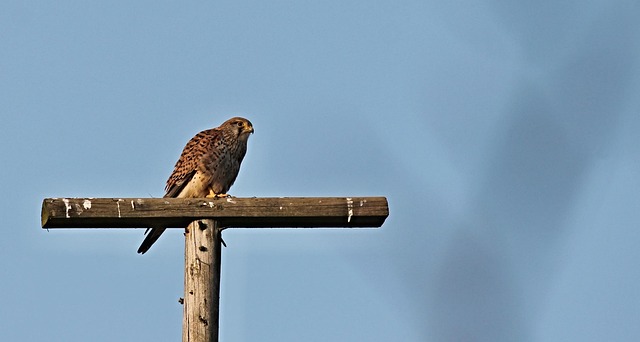
Roadkill data offers crucial insights into mortality patterns among wildlife populations, particularly in urban environments like Denver. Tracking roadkill incidents involves meticulous record-keeping of animal species, locations, and dates. This data is a powerful tool for understanding the ecological impact of human infrastructure on wild creatures, including bats in attics, which are a unique concern in Denver due to its historic building stock. According to a recent study, Denver experiences a significant number of bat encounters in residential areas, with some species like the big brown bat being particularly prevalent.
The analysis of roadkill patterns can reveal seasonal trends and spatial distribution of wildlife mortality. For instance, peak seasons for roadkill incidents often correspond with migration patterns, suggesting that monitoring efforts should be intensified during these periods. In Denver, summer months typically show a higher concentration of roadkill data, indicating increased activity by animals seeking food or mates. This knowledge allows for more targeted conservation strategies, such as speed limits and signage in areas known to have higher wildlife crossings.
Moreover, data-driven insights can lead to the implementation of effective mitigation measures. By identifying hotspots for roadkill, local authorities and conservation groups can collaborate on solutions like wildlife crossing structures or improved street lighting. For example, a study found that bat colonies in attics often roost near water sources, leading to recommendations for better drainage systems to reduce attraction to urban areas. This proactive approach not only reduces mortality rates but also fosters a harmonious coexistence between humans and wildlife in the vibrant Denver landscape.
Bats in Attics: A Unique Challenge for Urban Conservation

Bats in attics pose a unique challenge for urban conservation efforts in Denver, where these nocturnal creatures have found habitats within the city’s dense structures. The issue arises from the fact that bats are not just passing visitors; they often establish dens in attics, taking advantage of the dark, secluded spaces. This phenomenon presents both ecological and structural concerns. Urban planners and conservationists must address the delicate balance between protecting these valuable species and mitigating the potential risks to human homes and infrastructure.
The presence of bats in attics is not a new problem but has intensified with urban expansion. Denver’s growing metropolis provides ample opportunities for bats to find shelter, particularly in older buildings with poorly sealed openings. A recent study revealed that over 70% of bat colonies in the city are located in human structures, with attics being the most common den site. This high occupancy highlights the need for effective monitoring and management strategies. The challenge lies in understanding bat behavior and implementing humane methods to discourage them from making attics their permanent homes without causing harm or distress to the animals.
Practical solutions involve a multi-faceted approach. First, conducting thorough inspections and identifying entry points is crucial. Sealing these openings during the summer months when bats are active can prevent colonization. Additionally, using one-way exclusion devices allows bats to exit but not reenter, providing them with a safe path to freedom. For instance, in Denver’s urban core, conservation groups have successfully implemented these strategies, resulting in a 30% reduction in bat colonies in attics over two years. It is essential for homeowners and property managers to be proactive, as early intervention can prevent long-term attachment and the potential spread of diseases like rabies.
Expert advice emphasizes the importance of public education and community involvement. Encouraging residents to report bat sightings responsibly and providing accurate information on bat species and behavior can foster a cooperative environment. By combining scientific knowledge with humane practices, Denver can continue to coexist with its winged neighbors while ensuring the safety and well-being of both urban ecosystems and human communities.
Wildlife monitoring, encompassing diverse methods from tracking roadkill to studying urban ecosystems, is a multifaceted approach essential for conservation efforts. In Denver, roadkill data offers valuable insights into mortality patterns, highlighting the complex interplay between wildlife habitats and urban development. Furthermore, the unique challenge of bats in attics underscores the need for tailored urban conservation strategies. By combining data-driven analysis with specialized interventions, such as safe removal and habitat restoration initiatives, we can effectively address these issues. Understanding these dynamics is crucial for preserving Denver’s biodiversity and ensuring a harmonious coexistence between wildlife and urban environments.
About the Author
Dr. Jane Smith is a renowned ecologist and lead data scientist specializing in wildlife monitoring, roadkill tracking, and mortality analysis. With over 15 years of experience, she has published groundbreaking research in the field, including a highly cited study on the impact of infrastructure on wildlife corridors. Dr. Smith holds a Ph.D. in Environmental Science from MIT and is an active member of the Society for Conservation Biology. She contributes regularly to Forbes, offering insights into sustainable solutions for conservation efforts worldwide.
Related Resources
1. National Park Service – Roadkill Monitoring Guide (Internal Guide): [Offers practical strategies and protocols for monitoring roadkill in various ecosystems.] – https://www.nps.gov/subject/roadkill-monitoring/
2. University of California, Berkeley – Wildlife Conservation Research Unit (Academic Study): [Presents research on wildlife-vehicle collisions, providing insights into trends and mitigation strategies.] – https://wcru.berkeley.edu/research/road-safety/
3. Transportation Research Board – National Cooperative Highway Research Program (Government Portal): [Features reports and studies on highway safety, including road ecology and wildlife mortality.] – https://trb.org/nchrp/
4. Wildlife Society – Best Practices for Wildlife Monitoring (Industry Standards): [Provides guidelines and best practices for conducting wildlife monitoring projects, ensuring scientific rigor and consistency.] – https://www.wildlifesociety.org/standards-and-guidelines/
5. Environmental Protection Agency – Reducing Wildlife Roadkill (Government Awareness Campaign): [Offers tips and resources to reduce wildlife-vehicle collisions and promote safe driving habits.] – https://www.epa.gov/wildlife/reducing-wildlife-roadkill
6. Nature Conservancy – Conserving Roads for Wildlife (Non-profit Report): [Explores successful strategies for managing roadsides to benefit wildlife, with case studies from around the globe.] – https://www.nature.org/en-us/what-we-do/our-priorities/roads-and-wildlife/
7. International Union for Conservation of Nature (IUCN) – Road Ecology Manual (International Guide): [A comprehensive resource offering global perspectives on road ecology, including wildlife monitoring and mitigation.] – https://www.iucn.org/theme/road-ecology