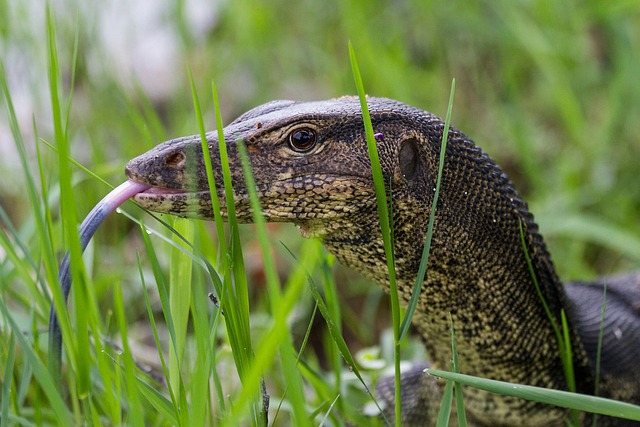
Monitoring Reptiles in Denver: Attics, Urban Lands, Conservation
Denver's urban landscape offers unique insights into reptile behavior, particularly basking hab.......
Read more →
In the vibrant city of Denver, Colorado, a unique and often overlooked phenomenon has been making waves—bats in attics. This article delves into the intricate world of these winged visitors, exploring their presence in urban settings, the challenges they present, and the opportunities they offer. "Bats in Attics Denver" is not merely a scientific study but a fascinating narrative of coexistence, conservation, and community engagement. By examining various facets, from ecological importance to legal considerations, we aim to provide an all-encompassing guide for both residents and enthusiasts alike.
Definition: "Bats in Attics Denver" refers to the natural occurrence and habitat of bat species that have adapted to living in urban areas, specifically within the attics of homes and buildings across Denver. This phenomenon is a testament to the remarkable ability of bats to thrive in diverse environments, even in heavily urbanized regions.
Core Components: The concept comprises several key elements:
Bat Species: Several bat species are known to inhabit Denver's attics, including the Big Brown Bat (Eptesicus fuscus), Mexican Free-tailed Bat (Tadarida brasiliensis), and the Common Pipistrelle (Pipistrellus pipistrellus). Each species has unique characteristics, feeding habits, and migratory patterns.
Urban Habitat: Denver's diverse topography, with its hills and skyscrapers, provides a range of microclimates suitable for bats. Attics offer them protection from predators, a controlled temperature environment, and easy access to food sources.
Coexistence: The term highlights the intricate relationship between these urbanized bats and human residents. While some homeowners may view them as pests, others embrace the opportunity to coexist with these nocturnal creatures, contributing to biodiversity in an unexpected setting.
Historical Context: Bats have been a part of Denver's ecosystem for centuries, but their relationship with humans has evolved over time. Historically, bats were often feared and persecuted due to misconceptions and folklore. However, as environmental awareness grew, so did the appreciation for these nocturnal mammals. In recent years, there has been a shift towards conservation efforts, promoting humane methods of bat removal and relocation.
The presence of bats in attics is not limited to Denver; it is a global trend with significant ecological implications. Here's an overview:
International Influence: Bats play a crucial role in pollinating plants, dispersing seeds, and controlling insect populations across the globe. In urban areas, their habitat loss and fragmentation have led to unique adaptations, such as using human structures for shelter. This phenomenon is observed in cities worldwide, from Europe to Asia and North America, with varying degrees of intensity.
Key Trends:
Urbanization: As cities expand, bats often find refuge in buildings, attics being a prime location due to their temperature regulation and proximity to food sources.
Climate Change: Altered weather patterns impact bat behavior and migration, leading to changes in their distribution and habitat usage.
Conservation Efforts: Global initiatives focus on protecting bat habitats, raising awareness about their ecological value, and promoting sustainable practices to ensure their long-term survival.
Regional Variations: Different regions face unique challenges:
| Region | Challenges | Opportunities |
|---|---|---|
| North America | Rapid urban development, pesticide use | Educational programs, bat-friendly building design |
| Europe | Habitat loss, legal protection | Public awareness campaigns, conservation partnerships |
| Asia | Traditional practices (e.g., bat hunting) | Community engagement, sustainable tourism |
The presence of bats in attics has both direct and indirect economic implications for Denver's community and market.
Market Dynamics:
Pest Control Services: Homeowners and property managers often turn to pest control companies to address bat infestations, creating a demand for specialized services. This industry caters to the need for safe and effective removal and relocation methods.
Real Estate: While bats can deter potential buyers due to concerns over health risks, they also represent a unique selling point for eco-conscious homebuyers. Properties with historical bat habitation may attract those interested in sustainable living.
Investment Patterns:
Home Renovations: Bat-infested attics may require structural changes and repairs, leading to increased investment in renovation projects. Homeowners invest in specialized roofing materials, ventilation systems, and decontamination procedures.
Community Development: Local governments and community organizations can benefit from bat-related initiatives, such as educational programs and conservation projects, which attract funding opportunities and tourism.
Technology plays a pivotal role in both understanding and managing bats in attics Denver. Here are some notable advancements:
Bat Detection Systems: Ultrasonic sensors and audio monitoring devices help identify bat presence and activity levels. These tools assist professionals in assessing colony sizes and planning appropriate management strategies.
Relocation Techniques: Advanced techniques, such as one-way exclusion nets and specialized containers, ensure safe bat removal and relocation. These innovations minimize stress to the bats and reduce the risk of disease transmission.
Research and Monitoring: Scientists employ GPS tracking devices and remote sensing technologies to study bat migration patterns, habitat preferences, and population dynamics. This research contributes to better conservation practices and policy-making.
Digital Education Platforms: Online resources and mobile applications provide homeowners with accessible information on bat behavior, identification, and safe coexistence methods. These tools foster community engagement and empower residents to contribute to bat conservation efforts.
The management of bats in attics Denver is subject to various legal frameworks and guidelines aimed at balancing ecological preservation with human safety and property rights.
State and Local Laws: Colorado state laws protect bats from unreasonable interference, ensuring their welfare during removal and relocation processes. Local municipalities may have additional regulations regarding bat habitat protection and pest control practices.
National Guidelines: The United States has federal guidelines, such as those set by the U.S. Fish and Wildlife Service, which provide standards for handling and protecting endangered bat species. These guidelines influence local policies and practices.
Permitting and Licensing: Bat removal and relocation services must adhere to strict permitting processes, ensuring they meet safety and environmental standards. This regulation helps combat unethical practices and promotes responsible management.
Despite the benefits of bat coexistence, "Bats in Attics Denver" faces several challenges that require thoughtful strategies.
Main Challenges:
Health Concerns: Bats can carry diseases like white-nose syndrome (WNS), posing potential risks to human health and other wildlife. Effective communication and education are vital to address these fears.
Property Damage: Guano (bat droppings) can cause structural damage and attract pests, leading to costly repairs. Proper decontamination protocols must be followed to mitigate these issues.
Public Perception: Misconceptions and negative stereotypes surrounding bats hinder public acceptance of their presence in urban areas. Community outreach and education are essential to fostering a positive attitude.
Proposed Solutions:
Community Engagement: Involving residents in bat conservation efforts through workshops, school programs, and citizen science initiatives can dispel myths and promote understanding.
Research and Collaboration: Continued research on bat ecology and disease management will provide valuable insights for developing effective strategies. Collaboration between scientists, conservationists, and local communities is key.
Policy Updates: Regular reviews and updates to policies and regulations should reflect the latest scientific findings, ensuring they remain relevant and beneficial for both humans and bats.
In the heart of Denver's downtown, a thriving colony of Mexican Free-tailed Bats has made its home in a historic building's attic. This case study highlights successful coexistence:
Challenges: The colony's initial presence caused concern among building owners and nearby businesses due to potential health risks and noise levels.
Solutions Implemented:
Professional Consultation: Bat experts were hired to assess the situation, providing education on bat behavior and ecological importance.
Safe Removal and Relocation: A specialized team used one-way exclusion nets to gently remove bats and relocate them to a suitable habitat outside the city.
Community Awareness: Local schools and community centers hosted events to educate residents about the colony's positive impact on the local ecosystem.
Outcomes: The project received widespread support, leading to:
A local school district in Denver adopted an innovative approach to bat coexistence, integrating it into their science curriculum:
Initiative: The district installed bat houses on school rooftops and integrated bat-related lessons into classroom teaching.
Benefits:
Educational Opportunities: Students gained hands-on experience studying bat behavior and ecology, fostering an early interest in conservation.
Community Involvement: Parents and local organizations contributed to bat house maintenance and fundraising efforts, strengthening community ties.
Research Collaboration: Local scientists used data collected from the school houses for research on urban bat populations, providing valuable insights.
As "Bats in Attics Denver" continues to evolve, several trends and considerations shape its future:
Growing Awareness: Public awareness of bat conservation is expected to rise, leading to increased support for humane management practices.
Technological Innovations: Advancements in technology will continue to improve bat detection, removal, and monitoring, ensuring safer and more effective coexistence strategies.
Urban Planning: Future city planning should incorporate bat habitat considerations, promoting sustainable design that accommodates both humans and wildlife.
Research Opportunities: The study of urban bat populations offers a wealth of data for researchers, contributing to global efforts in conservation biology and ecological management.
"Bats in Attics Denver" is more than just a unique phenomenon; it represents a harmonious coexistence between humans and nature in an urban setting. Through understanding, conservation, and responsible management, we can ensure the long-term survival of these winged creatures while addressing the challenges they present. This article has provided a comprehensive overview, highlighting the ecological, economic, and social implications of this intriguing aspect of Denver's biodiversity.
Q: Are bats dangerous to humans? A: Bats are generally not dangerous to humans. They are wild animals that avoid contact with people. However, some species may carry diseases like WNS, so it's essential to maintain a safe distance and seek professional help for removal if needed.
Q: How do I know if I have bats in my attic? A: Signs include strange noises (especially at dusk), musty smells, visible bat droppings, and small holes or entry points in the roof. If you suspect an infestation, consult a professional for accurate identification.
Q: Are there legal protections for bats? A: Yes, both state and federal laws protect bats from unreasonable harm. It's crucial to follow local regulations when dealing with bat infestations to ensure compliance and ethical treatment.
Q: Can bats be relocated anywhere? A: Relocation should be done responsibly, considering the bat's species and habitat needs. Professional relocation services release bats in suitable, distant habitats, ensuring their survival and minimizing stress.
Q: How can I encourage positive public perceptions of bats? A: Community education programs, workshops, and media campaigns can dispel myths and showcase the ecological benefits of bats. Engaging local schools and organizations is an excellent way to foster a bat-friendly community.