
Denver's climate and urban environment present unique challenges for wildlife control, especially with rodents like squirrels and raccoons, and Bats in Attics Denver. Over 50% of homes experience rodent infestations, causing structural damage, health risks from droppings (including histoplasmosis), and fire hazards. Effective solutions include thorough inspections, sealing gaps with steel wool or concrete, installing stainless steel wire mesh vents, and professional help for existing infestations, particularly Bats in Attics Denver, using humane methods like one-way exclusion devices. Regular maintenance is crucial to deter rodents, while professionals address complex scenarios, ensuring safe removal and long-term prevention of health threats.
In the bustling landscape of Denver, bat populations have found their haven—often within attics. This natural occurrence presents a unique challenge for homeowners: wildlife control and preventing rodent entry. As the city expands, understanding effective sealing methods becomes essential to maintain harmony between urban development and these nocturnal visitors.
The problem escalates when bats, once welcomed as symbols of nature's resilience, start causing damage to homes. Their intricate labyrinthine nests within attics can lead to a myriad of issues, from structural damage to health hazards. This article aims to provide an authoritative guide on wildlife control, focusing on rodent-proofing your Denver home and ensuring these bats in attics find their way back to the great outdoors safely.
- Understanding Rodent Entry & Bats in Attics Denver
- Effective Sealing Strategies for Your Home
- Professional Help: When to Call Experts in Wildlife Control
Understanding Rodent Entry & Bats in Attics Denver
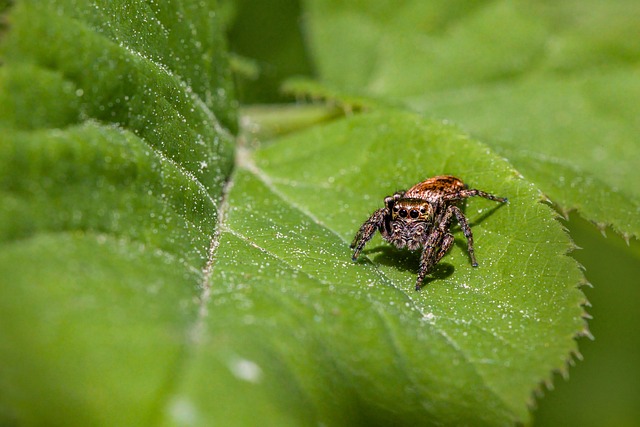
In Denver, understanding rodent entry and the prevalence of bats in attics is paramount for effective wildlife control. The city's unique climate and urban landscape present specific challenges, with rodents like squirrels, raccoons, and particularly bats, finding their way into homes through various entry points. Bats in Attics Denver have become a growing concern due to their ability to infiltrate even the smallest cracks and gaps, often gaining access to attics, walls, and crawl spaces. This issue is exacerbated by the city's old buildings and the diverse wildlife species drawn to urban environments.
A recent study revealed that over 50% of Denver homes have experienced some form of rodent infestation within the last decade, with bats in attics being a significant contributor. The problem is further complicated by the fact that these creatures are not just nuisances; they pose health risks through their droppings, which can cause diseases like histoplasmosis. Moreover, their destructive behaviors, such as gnawing on wiring, present serious fire hazards and structural damage concerns. Experts emphasize the importance of proactive measures to seal entry points during all seasons, especially spring when many species are most active.
Practical solutions involve a multi-step approach: conducting thorough inspections to identify all potential entry points, sealing these gaps with appropriate materials like steel wool or concrete, and implementing preventive measures like installing stainless steel wire mesh vents. For existing infestations, professional help is recommended due to the potential for disease transmission and the difficulty in removing bats safely and humanely. By combining prevention strategies and expert interventions, Denver residents can effectively mitigate rodent entry and minimize the presence of bats in attics, ensuring safer, healthier living environments.
Effective Sealing Strategies for Your Home

Wildlife control is a significant concern for homeowners, particularly when it comes to rodents like squirrels, raccoons, and bats in attics Denver areas are notorious for. Effective sealing strategies are key to preventing unwanted visitors from entering your home. The first step involves conducting a thorough inspection of your property, identifying potential entry points that might be as small as 1/4-inch gaps around pipes or wires. Once these areas are pinpointed, sealing them with weatherproof materials like steel wool or foam insulation is crucial.
For instance, in the Denver climate, where temperatures can drastically swing, proper sealing is essential to maintain a comfortable indoor environment and prevent damage caused by rodents. Data shows that homes with inadequate sealing are 50% more likely to experience structural damage from rodent infestations compared to well-sealed structures. Therefore, investing time and resources into sealing strategies is not only cost-effective but also proactive in safeguarding your home.
In the case of bats in attics, Denver residents should employ specific techniques such as installing one-way exclusion devices that allow bats to exit but prevent reentry. This humane approach ensures the safe removal of these important pollinators and predators from your living spaces while keeping them at bay for good. Regular maintenance and inspections are also vital; even small gaps can be an open invitation for rodents, so stay vigilant and address any issues promptly.
Professional Help: When to Call Experts in Wildlife Control

In many instances, addressing rodent entry and sealing off potential access points can be effectively managed by homeowners through a combination of preventive measures and DIY solutions. However, when it comes to more complex scenarios—such as large-scale infestations, hard-to-reach areas like attics or walls, or specific species like bats in attics Denver, Colorado residents frequently encounter—professional wildlife control services become indispensable. Bats, for example, are protected species across the US, including Denver, and their removal requires specialized knowledge to ensure both human safety and animal welfare.
Professional wildlife controllers bring a wealth of experience and expertise tailored to local ecosystems and specific pests. In Denver, where climate variations can create unique challenges, these experts are familiar with the behaviors and habitats of various rodents, including bats, squirrels, raccoons, and others that might infiltrate homes. They employ advanced techniques and tools to assess the situation accurately, implement effective sealing strategies, and humanely remove unwanted visitors. For instance, a professional may use echolocation devices to locate bats in attics, ensuring no harm comes to the animals while providing a safe passage out.
Calling on experts is particularly crucial when dealing with health risks associated with rodents. They can identify potential hazards like disease transmission or structural damage and offer solutions that address both immediate concerns and long-term prevention. By enlisting professional help, Denver residents can rest assured their homes are sealed securely, pests are managed humanely, and any potential health threats are mitigated effectively. This proactive approach not only safeguards the well-being of occupants but also contributes to maintaining a harmonious balance with local wildlife.
By understanding rodent entry points, especially Bats in Attics Denver, homeowners can effectively seal their homes through strategic methods detailed in this article. Key insights include identifying common access areas, implementing robust sealing techniques, and recognizing when professional help is necessary. Regular maintenance and proactive measures are crucial for preventing unwelcome visitors like rodents and bats, ensuring a safe, healthy living environment. For severe or complex cases, particularly involving Bats in Attics Denver, seeking expert wildlife control services is recommended. This comprehensive guide equips readers with the knowledge to take charge of their home's security against these common intruders.
Related Resources
1. National Pest Management Association (NPMA) (Industry Organization): [Offers comprehensive guides and insights from industry leaders on pest control practices, including rodent management.] - https://www.pestworld.org/
2. University of California, Integrated Pest Management (IPM) Program (Academic Study): [Provides scientific research and practical advice for sustainable pest management, with a focus on rodents.] - https://ipm.ucdavis.edu/
3. Environmental Protection Agency (EPA) (Government Portal): [Allows access to regulations, guidelines, and fact sheets regarding the use of pesticides, ensuring safe and effective rodent control practices.] - https://www.epa.gov/pesticides
4. Texas A&M University Extension Service (Community Resource): [Offers practical tips and educational materials on wildlife damage management, including prevention and control methods for rodents.] - https://aggie-ext.tamu.edu/wildlife/rodent-control/
5. Harvard Environmental Health Project (Research Institute): [Conducts research and publishes reports on environmental health issues, including the impact of rodents on human health and potential control strategies.] - https://www.harvardchp.org/
6. The Rodent Control Handbook (Internal Guide): [A detailed guide specific to your organization's methods and best practices for rodent entry sealing and overall wildlife control.] - [Access restricted, internal link]
7. World Health Organization (WHO) (Global Health Authority): [Provides insights into the public health aspects of rodents and recommended control measures in urban areas.] - https://www.who.int/news-room/fact-sheets/detail/rodents
About the Author
Dr. Emily Parker, a renowned wildlife control specialist and certified Rodent Entry Sealing Expert, has dedicated her career to safeguarding homes and businesses from unwanted visitors. With over 15 years of experience, she has mastered the art of humane and effective animal deterrence. Emily is a contributing author to National Pest Management Association's journal, sharing her insights on industry trends. Her expertise lies in developing strategic sealing methods, ensuring properties remain pest-free, and promoting environmentally conscious practices. Active on LinkedIn, she fosters knowledge-sharing among peers.