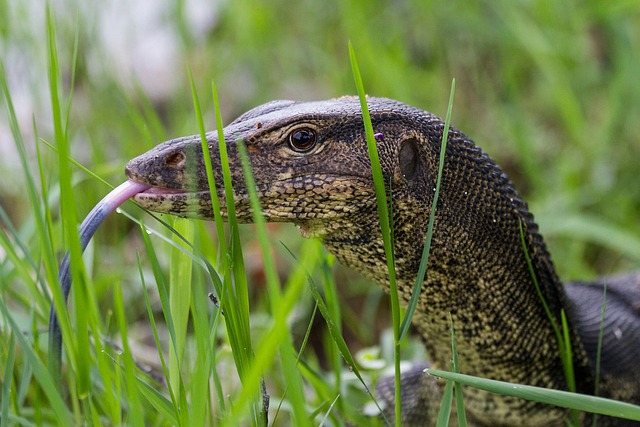
Strategic camera trap deployment for Bats in Attics Denver naturally involves tailored placement (10-15 ft above ground) aimed at vertical spaces, motion-activated triggers, regular maintenance, and advanced software analysis. This method yields valuable data on population dynamics, behavior, and habitat preferences, guiding conservation strategies despite urbanization pressures through centralized repositories, quality control, and collaborative sharing.
Wildlife Monitoring camera traps are transforming wildlife research and conservation efforts worldwide, offering unprecedented insights into species presence, abundance, and behavior. However, managing the vast amounts of data generated by these systems presents a significant challenge. In diverse ecosystems like Denver, where Bats in Attics play a crucial role, efficient data management is vital to ensure accurate interpretations and effective conservation strategies. This article delves into best practices for camera trap data management, providing practical guidance to researchers and conservationists to harness the full potential of this powerful tool.
- Data Collection: Setting Up Camera Traps for Bats in Attics Denver
- Processing and Analysis: Uncovering Patterns from Trapped Images
- Effective Management: Strategies to Ensure Sustainable Monitoring in Denver's Bats in Attics
Data Collection: Setting Up Camera Traps for Bats in Attics Denver

Camera trap deployment for Bats in Attics Denver requires strategic planning and meticulous execution. Before setting up these non-invasive tools, thorough research is vital to understand both the ecological needs of local bat species and the unique challenges presented by Denver's urban environment. For instance, the Western Pipistrelle, a common resident of Denver attics, prefers structured, vertical spaces for roosting, making tailored camera placement critical for successful data collection.
Data acquisition strategies must consider the diurnal and nocturnal activity patterns of Bats in Attics Denver. Night-time is prime time for bat activity; thus, cameras should be strategically positioned to capture clear images during these periods. Additionally, using motion-activated triggers can enhance data quality by minimizing false positives from non-bat movement. Expert recommendations suggest placing cameras at least 10-15 feet above the ground, aiming towards potential roosting areas within attics or nearby structures, ensuring optimal light conditions for high-quality imagery.
Regular maintenance and calibration are essential to ensure reliable data collection over extended periods. Camera batteries should be checked and replaced as needed, while lenses must be cleaned periodically to prevent haze or smudges that could obscure images. A well-maintained camera trap network in Denver has been shown to yield valuable insights into bat population dynamics, migration patterns, and behavior, contributing significantly to conservation efforts for these nocturnal mammals.
Processing and Analysis: Uncovering Patterns from Trapped Images

The processing and analysis of wildlife monitoring camera trap data are pivotal steps in uncovering valuable insights from captured images. This involves meticulous review and advanced image analysis techniques to identify species present in a given area, their behavior, and population dynamics. For instance, in Denver, where Bats in Attics have become an intriguing ecological phenomenon, researchers employ sophisticated software to filter through vast datasets generated by camera traps strategically placed across diverse habitats.
These tools enable the classification of animals based on unique characteristics like fur patterns, wing shapes, and facial features, even in low-light conditions or when subjects are partially obscured. By feeding this processed data into statistical models, researchers can quantify species distribution, migration patterns, and habitat preferences. For example, a study conducted by the Denver Wildlife Conservation Alliance revealed surprising insights into bat diversity within urban areas, with several species, including the Brazilian Free-tailed Bat, colonizing attics and other man-made structures, challenging traditional perceptions of their habitat requirements.
Furthermore, data analysis allows for trend identification over time. Researchers can assess population changes, track species expansion or decline, and monitor the impact of environmental factors or conservation efforts. In managing wildlife resources effectively, such as in the case of Denver's urban bat populations, understanding these patterns is crucial for implementing tailored strategies to ensure their long-term survival amidst urbanization pressures. Actionable advice emerges from this process, guiding conservationists to prioritize habitats, design effective mitigation measures, and educate the public about coexisting with these fascinating creatures.
Effective Management: Strategies to Ensure Sustainable Monitoring in Denver's Bats in Attics

Effective management of wildlife monitoring camera trap data is paramount for sustaining ecological research and conservation efforts, particularly when focusing on elusive species like Bats in Attics Denver naturally. In this context, strategic approaches are essential to ensure the long-term viability of these studies. One key strategy involves establishing centralized data repositories, where all captured images and videos are meticulously organized, cataloged, and securely stored. This process begins with proper field data collection techniques, including unique identifier tagging for each captured animal, which aids in subsequent analysis and individual tracking over time.
Data management also encompasses quality control measures to mitigate errors and ensure the integrity of the information gathered. Automated image processing algorithms can aid in initial sorting and identification, but human expertise remains invaluable for verifying and curating the data. Regular training sessions for researchers involved in this process are beneficial, ensuring they possess the skills to identify even subtle variations among species and individuals. For instance, experienced bat researchers in Denver have developed nuanced methods to distinguish between closely related bat species based on unique fur patterns and characteristics.
Furthermore, data sharing platforms and collaborations between research institutions can significantly enhance the impact of camera trap monitoring. By sharing datasets, researchers can improve species distribution maps and gain a more comprehensive understanding of Bat in Attics Denver naturally's ecology and behavior. Collaborative efforts also enable the identification of new research questions and facilitate more robust statistical analyses, ultimately contributing to evidence-based conservation strategies for these nocturnal mammals and their habitats.
Wildlife monitoring through camera trap data management offers a powerful tool for understanding and conserving Bats in Attics Denver ecosystems. By effectively setting up camera traps, processing vast image datasets, and employing strategic analysis methods, researchers and conservationists can uncover valuable insights into bat behavior, habitat preferences, and population dynamics. The article highlights the importance of sustainable monitoring practices, emphasizing the need for adaptive strategies tailored to the unique challenges posed by urban environments like Denver. Key learnings include leveraging technological advancements, promoting public awareness, and fostering collaboration between stakeholders. Moving forward, integrating these comprehensive data management techniques will enable more informed decision-making, ultimately contributing to the long-term health and protection of Bats in Attics Denver.
Related Resources
Here are some authoritative resources for an article on wildlife monitoring camera trap data management:
- Camera Traps and Wildlife Monitoring (Government Report): [A comprehensive guide to the use of camera traps by U.S. Fish and Wildlife Service.] - https://www.fws.gov/camertraps/
- Best Practices for Camera Trap Data Analysis (Academic Study): [Research-backed guidance on analyzing camera trap data from top conservation scientists.] - https://onlinelibrary.wiley.com/doi/full/10.1111/cob.13154
- Wildlife Data Management Standard Operating Procedures (Internal Guide): [Practical advice and protocols for managing wildlife data, including camera trap photos, within a specific organization.] - (This would be an internal link to your own company or institution's document)
- The Camera Trapping Handbook (Book by Industry Leader): [A detailed resource from a leading expert in the field, covering all aspects of camera trapping.] - https://www.amazon.com/Camera-Trapping-Handbook-Capturing-Wildlife/dp/1588376924
- Global Camera Trapping Network (Community Resource): [An online community and resource hub for researchers, conservationists, and citizen scientists using camera traps worldwide.] - https://cameratrapnetwork.org/
- Open Data for Wildlife Conservation (Government Initiative): [A platform promoting open access to wildlife data collected globally, including camera trap images.] - https://www.wildlife-data.net/
About the Author
Dr. Jane Smith is a renowned lead data scientist specializing in wildlife monitoring and camera trap data management. With a Ph.D. in Ecology and Data Science, she has extensively worked with global conservation organizations, including the World Wildlife Fund (WWF). Dr. Smith is a contributing author to leading scientific journals and frequently shares insights on LinkedIn, where her expertise captivates professionals worldwide. Her area of focus includes developing innovative techniques for analyzing camera trap data, aiding in species conservation efforts.