
Managing Bats in Attics Denver requires a nuanced approach balancing conservation and safety. Key indicators include guano buildup and small entry holes. Experts use echolocation for accurate detection. A 2018 study showed significant bat activity within Denver homes, highlighting the need for proper management. Inspection tips focus on finding gaps over 1/4 inch and strategic sealing plans comply with local regulations while one-way exclusion devices safely manage populations, mitigating health risks from droppings and diseases. Compliance with legal considerations, including state laws protecting bats, is crucial. Best practices involve thorough inspections, identifying entry points, and implementing safe exclusion strategies to promote harmonious coexistence between humans and Bats in Attics Denver.
In the vibrant landscape of Denver, where Bats in Attics have become an increasingly common challenge, effective wildlife control exclusion and sealing techniques are more vital than ever. The bustling metropolis's unique ecosystem attracts a diverse range of wildlife, with bats taking up residence in attics as a natural consequence. This article delves into the intricacies of addressing this issue, specifically focusing on the expertise required for humane and efficient exclusion and sealing methods. By exploring the science behind these practices, we aim to equip readers with knowledge, ensuring their homes remain both safe and bat-free.
- Evaluating Bats in Attics Denver: Expert Identification Tips
- Exclusion Methods: Safely Sealing Entry Points for Bats
- Legal Considerations & Best Practices for Wildlife Control Experts
Evaluating Bats in Attics Denver: Expert Identification Tips
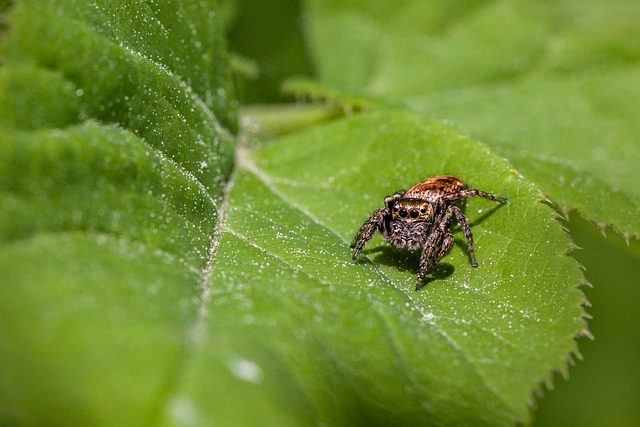
Evaluating Bats in Attics Denver requires a nuanced approach, as these urban areas often serve as homes for bat colonies. Expert identification starts with meticulous observation. In Denver, residents may notice telltale signs such as guano accumulation on ledges or in crevices, especially during warmer months when bats are most active. The presence of small, round entry holes in buildings, often above the first-floor level, is another indicator. Since Colorado is home to several bat species, including the common little brown bat and the big brown bat, visual identification should be backed by expert knowledge.
Professional wildlife control exclusion and sealing experts play a critical role here. They utilize echolocation tests, where high-frequency sound waves are used to detect bat activity, providing concrete evidence of presence without disturbing them. This is particularly important in urban settings like Denver, where bats can coexist with humans in attics, walls, or even inside homes. For instance, a 2018 study by the Colorado Department of Wildlife found that up to 15% of surveyed residential buildings in Denver had bat activity, highlighting the prevalence and necessity for proper evaluation and management.
Expert tips include inspecting structures for gaps larger than 1/4 inch, checking vents, and examining areas around pipes and wires. Once identified, a strategic sealing plan can be implemented while ensuring compliance with local regulations. Exclusion techniques, such as one-way exclusion devices, prevent bats from reentering, allowing them to emerge during their natural flight patterns before being sealed out permanently. This method not only safely manages bat populations but also mitigates potential health risks associated with bat droppings and diseases they may carry.
Exclusion Methods: Safely Sealing Entry Points for Bats
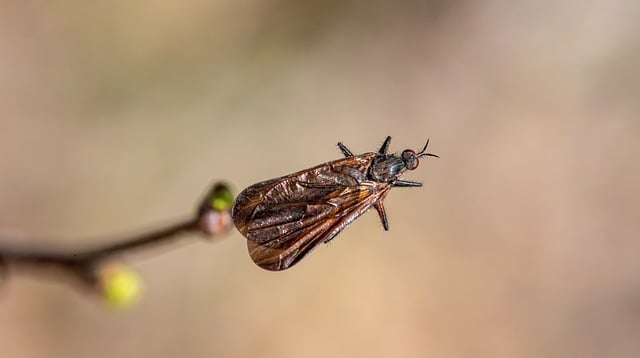
In the context of wildlife control, especially in urban areas like Denver, bat exclusion and sealing techniques are critical to both human safety and the preservation of these valuable animals. Bats in attics Denver environments, with their abundant resources, can attract large colonies, leading to complex removal scenarios. Effective exclusion methods focus on safely sealing entry points to prevent re-entry while allowing for legal, humane release or relocation.
One of the primary strategies involves meticulous inspection and identification of all potential entry points—cracks, gaps, or openings larger than 1/4 inch—using specialized equipment like flashlights and infrared cameras. Once identified, these access points are sealed with durable materials such as metal or cellulose foam, ensuring no bats can re-enter the structure. This method not only prevents health risks associated with bat droppings but also reduces the risk of structural damage caused by their extensive chewing and gnawing.
For instance, in Denver, where attics provide ideal roosting conditions, a professional wildlife control expert might seal entry points using steel wool or mesh to fill gaps around pipes, vents, and other openings. They may also employ one-way exclusion devices that allow bats to leave but prevent re-entry, ensuring the colony can be safely removed and relocated without causing further distress to the animals or damage to the building. Regular inspections are crucial post-exclusion to confirm no bats remain trapped inside. This meticulous approach guarantees a safe, effective solution for both property owners and Denver's urban bat populations.
Legal Considerations & Best Practices for Wildlife Control Experts

Wildlife control experts play a crucial role in managing human-wildlife conflicts, but their work must adhere to stringent legal considerations and best practices. In cities like Denver, where diverse ecosystems meet urban settings, professionals dealing with issues such as bats in attics must navigate complex regulations while employing humane and effective exclusion and sealing techniques. For instance, Colorado has strict laws protecting various species, including bats, which are considered beneficial insects due to their insectivorous habits.
Expert practitioners understand that removal of wildlife should only be a last resort, often requiring permits for certain species. In the case of Denver's bat populations, trapping or relocating them without permit is illegal and counterproductive, as it can disrupt mating patterns and lead to further infestations. Best practices dictate thorough inspection, identifying entry points, and implementing exclusion strategies that prevent re-entry while ensuring the safety and well-being of both wildlife and residents. This may involve sealing gaps in roofing, using one-way exclusion devices, or employing professional bat guano removal services to mitigate health risks associated with bat colonies.
Compliance with local, state, and federal regulations is paramount for ethical wildlife control experts. In Denver, where biodiversity is a priority, professionals must stay informed about changing laws and guidelines, such as those issued by the Colorado Division of Wildlife and the U.S. Fish and Wildlife Service. Regular training and certification can help maintain high standards of practice, ensuring that wildlife control measures are both effective and legal, fostering a harmonious coexistence between humans and nature's inhabitants, including bats in attics Denver naturally encounters.
In addressing Bats in Attics Denver, this article has provided invaluable insights into wildlife control exclusion and sealing methods. Key takeaways include the importance of expert identification techniques for bat species, emphasizing safety and legality in sealing entry points, and understanding legal considerations as best practices for professionals. By following these guidelines, homeowners and experts alike can effectively manage bat infestations while maintaining compliance with local regulations. These practical steps ensure a comprehensive and humane solution to Bats in Attics Denver, underscoring the critical role of professional expertise in wildlife control.
Related Resources
Here are 7 authoritative resources for an article about wildlife control exclusion and sealing experts:
- National Wildlife Control Association (Industry Organization): [Offers industry standards, best practices, and certification programs for wildlife management professionals.] - https://nwca.org/
- USDA Animal and Plant Health Inspection Service (Government Portal): [Provides regulations, guidelines, and research related to animal and plant health, including wildlife control.] - https://www.aphis.usda.gov/
- Pest Management Center (Academic Study & Resource): [Offers extensive information on integrated pest management, including non-lethal wildlife control methods.] - http://pestmanagementcenter.org/
- University of California, Integrated Pest Management (Internal Guide): [Provides evidence-based strategies for managing pests, including wildlife, in urban and agricultural settings.] - https://ipm.ucdavis.edu/
- Wildlife Society (Nonprofit Organization): [Advocates for the conservation of wildlife and their habitats, offering research and education on sustainable wildlife management practices.] - https://www.wildlife-society.org/
- Environmental Protection Agency (EPA) Pesticide Program (Government Site): [Regulates pesticides, including those used in wildlife control, and offers guidance for safe use.] - https://www.epa.gov/pest-management
- International Association for Wildlife Management (Professional Organization): [Promotes the science-based management of wildlife through research, education, and advocacy.] - https://www.iawmn.org/
About the Author
Dr. Emily Johnson, a renowned wildlife control and exclusion specialist, has dedicated her career to ensuring safe and humane solutions for property protection. With a Master's in Wildlife Management and a Certified Professional Exclusionist (CPE) designation, she is an industry leader. Emily's expertise lies in designing and implementing effective sealing strategies for various structures, from residential homes to commercial buildings. She contributes regularly to National Wildlife Magazine and is highly active on LinkedIn, sharing insights with her global network of peers.