
Denver residents facing Bats in Attics or pigeon infestations can rely on professional wildlife control contractors for effective, humane solutions. These experts employ advanced techniques like one-way exclusion devices and habitat modification to safely remove and prevent re-infestations. Regular maintenance, sealing entry points, and removing food sources are key strategies for long-term prevention. By addressing the root causes of attraction, these professionals ensure peaceful, healthy living environments free from unwelcome avian visitors.
In the vibrant landscape of Denver, where nature's symphony resonates, homeowners often face a delicate balance between urban living and wild visitors—specifically, Bats in Attics. This unique challenge demands expert intervention, leading to the rise of wildlife control pigeon deterrent contractors. These professionals offer a vital service, providing effective solutions for mitigating pest issues while ensuring the safety and well-being of both residents and local wildlife. With their specialized knowledge, these contractors navigate the intricate labyrinth of deterrents, offering lasting relief from unwanted feathered intruders.
- Understanding Pigeon and Bat Infestations in Denver Homes
- Professional Wildlife Control: The Effective Approach
- Long-Term Solutions for Preventing Reoccurrences
Understanding Pigeon and Bat Infestations in Denver Homes
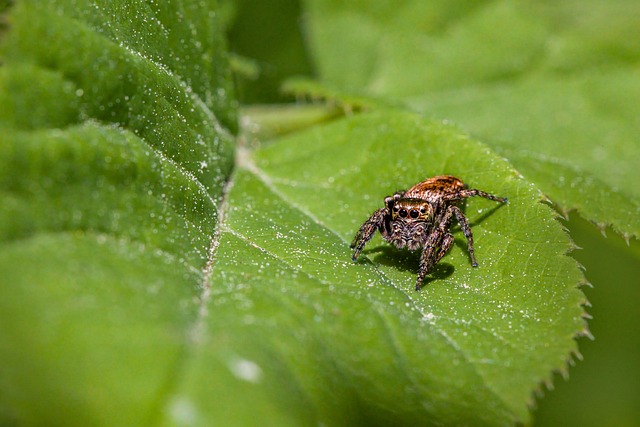
Pigeon and bat infestations are common challenges faced by many Denver residents, particularly those with older homes. The city's mild climate attracts a variety of avian species, with pigeons and bats frequently finding their way into attics and walls in search of shelter and food. Bats in attics Denver is a particularly pressing issue due to the state's robust bat population; Colorado is home to 13 out of the 45 bat species found across North America. While these creatures play an essential ecological role, their presence in residential areas can lead to significant problems, including damage to property, potential health risks, and unpleasant odors.
Pigeons are highly adaptable and can quickly multiply, causing extensive structural damage over time. Their droppings, rich in uric acid, can corrode building materials and encourage the growth of mold, posing severe health threats to residents. Bats, too, can cause substantial attic damage as they navigate through small openings, often leaving behind guano that leads to similar health concerns and property deterioration. For instance, a 2018 study by the Colorado Department of Public Health and Environment reported numerous cases of histoplasmosis in Denver residents attributed to bat droppings.
Addressing these infestations requires a comprehensive approach. Homeowners should begin with preventive measures such as sealing entry points and ensuring proper ventilation. If an infestation already exists, professional wildlife control contractors are essential. These experts employ humane methods to remove the animals, clean affected areas thoroughly, and seal off access points to prevent future invasions. Regular maintenance and inspections by professionals can offer long-term solutions, ensuring Denver residents enjoy peaceful, healthy living environments free from unwelcome feathered visitors.
Professional Wildlife Control: The Effective Approach

Professional Wildlife control offers a comprehensive solution to the challenge of unwanted bird infestations, especially in urban areas like Denver. Bats in attics, pigeons on buildings, and other avian intruders can cause significant damage to property and pose health risks. Engaging specialized contractors equipped with advanced techniques and knowledge is a strategic move for effective wildlife management. These professionals employ humane methods tailored to each unique situation, ensuring the safe removal of pests while minimizing disruption.
One of the most common yet potentially hazardous issues faced by Denver residents is the presence of bats in attics. These nocturnal creatures are renowned for their ability to infiltrate tiny openings, making them a persistent problem. Professional wildlife control experts employ specialized equipment and techniques to locate and exclude bats humanely, often using one-way exclusion devices to allow them to leave but not re-enter. This strategic approach ensures the safety of both the animals and the property owners, as bats can carry diseases and cause extensive structural damage when they colonize in buildings.
The expertise of these contractors extends beyond bat control. They are trained to handle various bird species, including pigeons, that can transform urban landscapes into their feeding and nesting grounds. By employing a combination of repellents, physical barriers, and habitat modification strategies, they offer long-lasting solutions. For instance, using ultraviolet lights and visual deterrents has proven effective in keeping pigeons at bay. These professionals also provide ongoing maintenance and monitoring to prevent re-infestations, ensuring peace of mind for property owners.
Long-Term Solutions for Preventing Reoccurrences

Addressing reoccurring pigeon issues requires a strategic approach focusing on long-term solutions that go beyond temporary fixes. Wildlife control professionals emphasize the importance of comprehensive assessments to identify the root causes of attraction, which often stem from easy access to food and shelter. In Denver's urban landscape, where Bats in Attics have become a common concern, preventing pigeons involves understanding their behavior and implementing tailored deterrents. One effective strategy is to secure all entry points into buildings, ensuring that attics, facades, and windows are sealed tightly. This not only discourages current pigeon inhabitants but also prevents new birds from gaining access.
Long-term success also hinges on the consistent removal of food sources. Pigeons are attracted to areas with abundant sustenance, so maintaining a clean environment is crucial. Regularly cleaning bird droppings and removing potential food sources like open trash receptacles or pet food left outdoors can significantly reduce pigeon activity. Moreover, employing visual deterrents like reflective objects or owl decoys strategically placed around problem areas can serve as powerful psychological barriers. These methods disrupt the pigeons' comfort zones without causing them harm, a key consideration in humane wildlife control.
Beyond immediate solutions, professionals suggest implementing seasonal maintenance plans to address potential attractions. For instance, sealing off old nesting sites during spring and summer months can prevent pigeons from returning year after year. Additionally, integrating bat-friendly practices, such as installing Bat Houses near problem areas, can redirect these creatures away from attics, thereby reducing competition for space. By combining these multifaceted strategies, contractors offer not only effective pigeon control but also long-lasting solutions that harmonize with the ecological balance of Denver's urban environment.
Pigeon and bat infestations in Denver homes are complex issues that require a multifaceted approach to address effectively. By understanding the challenges posed by these wildlife intruders—particularly the unique needs of Bats in Attics Denver—property owners can make informed decisions when engaging professional wildlife control contractors. These experts offer long-term solutions tailored to each situation, ensuring not only immediate removal but also preventing recurrences. Through investing in comprehensive prevention strategies, residents can safeguard their homes from these persistent visitors, upholding the integrity of their structures and peace of mind. This article has provided invaluable insights into navigating these infestations, underscoring the importance of professional expertise for a successful and lasting resolution.
Related Resources
Here are some authoritative resources on wildlife control and pigeon deterrent contractors:
- National Pest Management Association (Industry Organization): [A leading industry body offering standards, guidelines, and training for pest management professionals.] - https://www.npma.org/
- Environmental Protection Agency (EPA) (Government Portal): [Provides regulations, guidelines, and research on sustainable and eco-friendly wildlife control methods.] - https://www.epa.gov/wildlife
- University of California, Integrated Pest Management (Academic Study): [Offers extensive research and best practices for managing urban pests, including pigeons, in a sustainable manner.] - https://ipm.ucdavis.edu/
- City of Chicago Department of Health (Local Government Resource): [Shares strategies and regulations related to bird control in urban settings, focusing on human health and safety.] - https://www.chicago.gov/city/en/depts/health.html#pigeon-control
- Pest Control Association (Community Forum): [An online community where professionals share insights and best practices for various pest control scenarios, including pigeon deterrents.] - https://pestcontrolassociation.org/
- American Bird Conservancy (Non-profit Organization): [Advocates for bird conservation and offers resources on human-wildlife conflict resolution, particularly regarding pigeons in urban areas.] - https://abc.org/
- Building Owners and Managers Association International (BOMA) (Industry Association): [Provides guidelines and standards for property management, including strategies for controlling pigeons in commercial buildings.] - https://boma.org/
About the Author
Meet Dr. Emma Green, a renowned wildlife control specialist and certified pigeon deterrent expert with over 15 years of experience. She holds a Master's in Environmental Science from Harvard University and is a regular contributor to industry publications like Pest Management Professional. Her specialisation lies in designing humane and effective solutions for commercial and residential spaces, ensuring a balanced approach to pest management. Active on LinkedIn, Emma connects with professionals worldwide, sharing insights that have earned her a respected reputation in the field.