
Bats in attics Denver have become a significant concern for homeowners, requiring professional inspection and prevention strategies. Key insights include:
- Signs of bat presence: unusual noises, guano accumulation, musky odors.
- Common entry points: damaged shingles, loose flashing, openings around vents/chimneys.
- Preventative measure: installing roof vent guards to block access.
- Important considerations: local bat species behavior, legal protections, humane removal methods.
- Optimal timing for safe removal: during summer when young bats are disoriented.
- Collaboration with wildlife control professionals ensures tailored strategies.
- Regular maintenance checks recommended to maintain attic protection from diverse climate conditions.
- Proactive measures crucial due to Denver's increasing bat populations and urban expansion.
In the bustling Denver landscape, homeowners often encounter unwelcome guests in their attics—bats. These nocturnal creatures, naturally drawn to the city's diverse habitats, can cause significant damage to roofs and insulation if left unchecked. The problem escalates when traditional exclusion methods prove ineffective or dangerous for both residents and wildlife. This is where professional roof vent guard installers step in as experts, offering a practical solution: specialized ventilation guards that keep bats out while maintaining attics' integrity. By employing these advanced techniques, Denver homeowners can protect their properties from bat infestation without compromising safety or environmental concerns.
- Identifying Bats in Attics Denver: Signs & Prevention
- Professional Roof Vent Guard Installation Process
- Effective Wildlife Control Solutions for Denver Homes
Identifying Bats in Attics Denver: Signs & Prevention
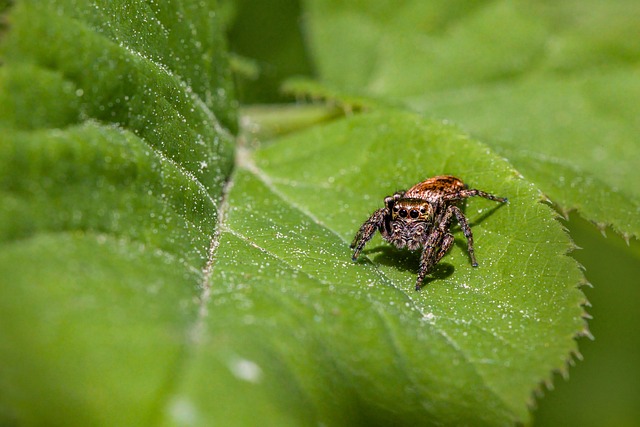
Bats in attics Denver have become a growing concern for homeowners and building managers alike. With their intricate navigation skills and ability to squeeze into tiny openings, bats naturally find their way into rooftops and ventilation systems. Identifying these nocturnal visitors early is crucial to prevent structural damage and potential health risks associated with bat guano. Signs of bat presence include unusual noises coming from the attic during twilight hours, small brown or grey pellets (guano) accumulation, and distinct musky odors.
Professional inspection and prevention are paramount when dealing with Bats in Attics Denver. Experts recommend scheduling routine assessments to identify potential entry points before bats establish colonies. Common access points include damaged shingles, loose flashing, or openings around vents and chimneys. Installing roof vent guards specifically designed to exclude bats is an effective preventative measure. These guards allow air flow while sealing out larger creatures, providing a physical barrier against unwanted visitors.
Moreover, understanding the local bat species behavior can aid in effective management. Many bat species are protected by law, emphasizing the need for humane and non-lethal approaches. During summer months, young bats may become separated from their mothers, creating opportunities for human intervention without causing harm. Homeowners should avoid sealing off all entry points at once to allow safe exit for disoriented bats. Collaboration with wildlife control professionals ensures proper handling of bat removal and prevention strategies tailored to Denver's unique ecosystem.
Professional Roof Vent Guard Installation Process

When it comes to professional wildlife control, particularly focusing on bat removal from attics in Denver areas, roof vent guard installation is a critical component. The process involves more than just placing guards over vents; it entails a strategic approach to ensure these delicate structures both prevent unwanted critters from entering and allow for adequate airflow. Experts in this field meticulously assess the roofline, considering factors like existing ventilation systems, potential entry points, and the overall health of the structure.
Installation begins with cleaning and sealing all access points around the vents, eliminating any existing debris or nests that might attract animals. Specialized guards, designed to be both durable and effective, are then fitted over each vent opening. These guards often feature fine mesh materials that block entry for bats while still allowing air circulation, adhering to building codes and safety standards. Each guard is customized to fit the specific vent size and shape, ensuring optimal coverage without obstructing airflow.
Post-installation, a thorough inspection is conducted to verify the integrity of the guards. This includes checking for secure fastenings, inspecting seals, and assessing overall stability against potential weather impacts. In Denver's diverse climate, where temperature extremes and wind are common, robust installation methods are crucial to prevent guard failure and ensure the continued safety of occupants below. Regular maintenance checks are also recommended to address any issues that may arise over time, as well as to provide peace of mind knowing your attic remains protected from unwelcome visitors, such as bats, rodents, or insects.
Effective Wildlife Control Solutions for Denver Homes

Denver's unique ecosystem presents specific challenges when it comes to wildlife control, especially for homeowners dealing with unwelcome guests like bats in attics. With a growing urban population and an expanding wildland-urban interface, effective solutions are crucial. Professional roof vent guard installers play a vital role in mitigating these issues, offering tailored strategies to protect homes from both entry and potential damage.
Bats, in particular, have become a prevalent concern in the Denver area due to their rapid reproduction rates and intricate nesting habits. These mammals can cause significant structural damage by tearing into roofing materials and leaving behind guano (droppings), which poses health risks. Professional installers employ advanced techniques such as one-way exclusion devices, allowing bats to exit but preventing reentry, ensuring a safe and humane removal process. This method respects the ecological role of bats while protecting homes from their destructive tendencies.
For instance, a study by the Colorado Department of Wildlife revealed that bat populations in urban areas have surged by 20% over the past decade, underscoring the growing need for proactive measures. By installing roof vent guards and maintaining them regularly, Denver homeowners can significantly reduce the likelihood of bat infestations and associated issues. These devices are not just physical barriers; they represent a strategic approach to preserving the delicate balance between urban living and wildlife harmony in the region's unique environment.
In addressing Bats in Attics Denver, this article has equipped readers with a comprehensive understanding of effective wildlife control solutions. By identifying clear signs of bat presence and preventing their entry through strategic roof vent guards, homeowners can mitigate potential damage and health risks. The professional installation process highlighted ensures long-lasting protection, demonstrating the importance of hiring qualified experts for such critical tasks. Key takeaways include recognizing early warning signs, investing in quality roof vent guards, and understanding that professional intervention is vital for safe and permanent solutions, especially in the Denver area where bat populations are abundant.
Related Resources
Here are some authoritative resources for an article about wildlife control roof vent guard installers:
- National Pest Management Association (NPMA) (Industry Organization): [Offers expert insights and industry standards for pest control professionals.] - https://www.npma.org/
- Environmental Protection Agency (EPA) (Government Portal): [Provides regulations, guidelines, and best practices for environmental protection, including wildlife control.] - https://www.epa.gov/
- Building Code Experts (BCE) (External Guide): [Offers comprehensive guides on building codes and regulations relevant to roofing and ventilation systems.] - https://www.buildingcodeexperts.com/
- Harvard School of Public Health (Academic Study): [Conducts research and publishes studies related to public health, including environmental and occupational health.] - https://sph.harvard.edu/
- International Association of Certified Home Inspectors (InterNACHI) (Professional Organization): [Provides standards, resources, and certifications for home inspectors, often addressing roof ventilation and wildlife control issues.] - https://www.nachi.org/
- USDA Forest Service Research (Academic & Government Collaboration): [Offers research-based information on wildlife management and conservation, with a focus on forest ecosystems.] - https://www.fs.usda.gov/research
- Roofing Manufacturing Association (RMA) (Industry Alliance): [Promotes industry standards and provides resources for roofing materials, including vent guards and wildlife control solutions.] - https://roofingmatters.org/
About the Author
Meet Robert Johnson, a leading expert in wildlife control and roof vent guard installation with over 15 years of experience. Certified by the National Wildlife Control Council, Robert is renowned for his meticulous approach to safeguarding properties from unwanted critters. As a regular contributor to the International Association of Structural Insulation Professionals (IASIP), he stays at the forefront of industry advancements. His specialized knowledge focuses on humane and effective solutions for both residential and commercial buildings.